
Varanasi Holi Festival 2026 , Ever wondered what happens when India’s most ancient spiritual city meets its most colorful festival? Magic, pure magic! Varanasi during Holi transforms into a kaleidoscope of joy, spirituality, and unbridled celebration. The narrow lanes burst with colors, the air resonates with laughter and music, and the entire city becomes one giant canvas of happiness.
Holi in Varanasi isn’t just about throwing colors—it’s a profound cultural experience where ancient traditions blend seamlessly with contemporary celebrations. If you’re looking for an authentic, soul-stirring Holi experience, Varanasi should be at the top of your list.
What Makes Varanasi’s Holi Special?
The Spiritual Dimension
Unlike anywhere else in India, Holi in Varanasi carries a distinct spiritual flavor. This is the city of Shiva, after all, where every celebration has divine undertones. The festival here isn’t just about fun—it’s about liberation, equality, and the triumph of good over evil. Pilgrims and party-goers unite in a spectacular display of devotion and joy.
Ancient Traditions Meet Modern Celebration
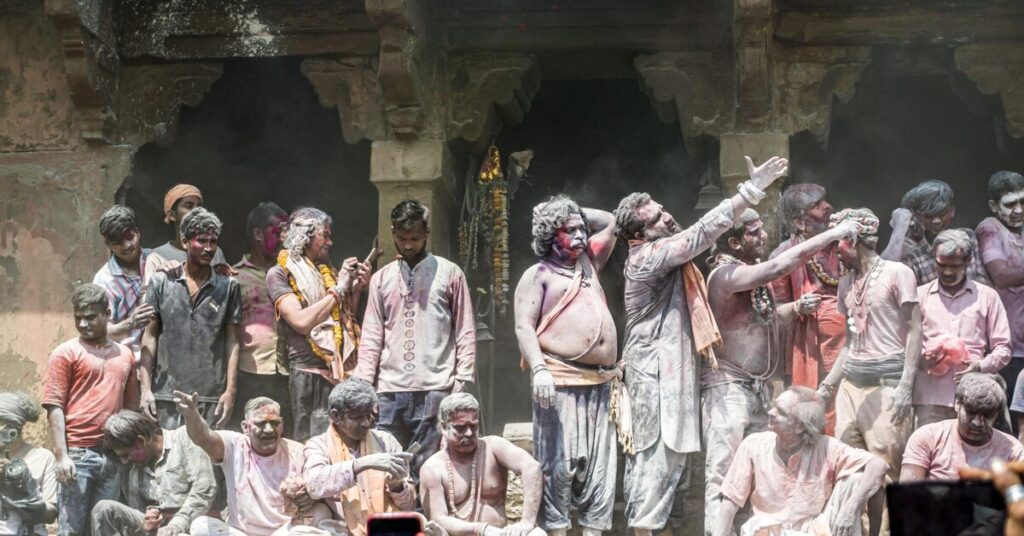
Walk through Varanasi during Holi, and you’ll witness something extraordinary. Age-old rituals performed at temples coexist with vibrant street parties. Sadhus smeared in colors meditate peacefully while youngsters dance to Bollywood beats. This beautiful contradiction is what makes Varanasi’s Holi truly unforgettable.
History and Significance of Holi
The Legend of Holika and Prahlad
The festival’s roots lie in Hindu mythology. According to legend, the demon king Hiranyakashipu’s sister, Holika, had a boon that made her immune to fire. She attempted to kill young Prahlad, a devotee of Lord Vishnu, by sitting with him in a blazing fire. But divine intervention saved Prahlad while Holika perished, symbolizing the victory of devotion and good over arrogance and evil.
Celebrating the Victory of Good Over Evil
Holi marks this triumph through the ritual of Holika Dahan—the burning of bonfires on the eve of the main festival. It’s a powerful reminder that truth and righteousness always prevail. In Varanasi, this message resonates deeply, adding layers of meaning to the colorful festivities.
When is Holi Celebrated in Varanasi?
Dates and Festival Duration
Holi typically falls in March, on the full moon day of the Hindu month of Phalguna. The main celebration lasts one day, but in Varanasi, the festivities often extend for several days before and after. In 2025, Holi will be celebrated on March 14th, but the party atmosphere starts building days in advance.
Pre-Holi Celebrations: Holika Dahan
The night before Holi, communities gather for Holika Dahan, lighting massive bonfires. People circle the fire, pray, and sing devotional songs. It’s a beautiful, solemn ceremony that sets the spiritual tone before the colorful chaos begins the next morning.
Where to Celebrate Holi in Varanasi
Assi Ghat: The Epicenter of Celebrations
Assi Ghat is where the real action happens. This southern ghat becomes Holi central, attracting locals, travelers, and students in massive numbers. The atmosphere is electric—music blaring, colors flying everywhere, and pure, unfiltered joy filling the air. If you want the full Varanasi Holi experience, this is your spot.
Banaras Hindu University (BHU)
BHU hosts one of the most famous Holi celebrations in India. Students from across the country gather for a legendary party that’s talked about all year. The energy is youthful, wild, and absolutely infectious. However, it can get extremely crowded, so prepare accordingly.
Holi at the Ghats
The ghats along the Ganges provide stunning backdrops for Holi celebrations. Dashashwamedh Ghat, Manikarnika Ghat, and others each have their unique vibe. Watching colors being thrown against the ancient architecture with the holy river flowing alongside creates picture-perfect moments.
Temple Celebrations
Many temples organize special Holi programs with bhajans (devotional songs), traditional dance, and color throwing in a more controlled, family-friendly environment. The Kashi Vishwanath Temple area and Durga Temple are popular spots for those seeking a spiritual Holi experience.
What to Expect During Varanasi Holi Festival
Colors, Music, and Dance
Prepare to be drenched in every color imaginable! Gulal (colored powder) fills the air, water guns spray colored water, and everyone becomes a walking rainbow. Music—from traditional folk songs to contemporary Bollywood hits—provides the soundtrack. Spontaneous dance circles form everywhere, and strangers become friends within minutes.
Bhang and Traditional Drinks
Bhang (a drink made from cannabis leaves) is a traditional Holi beverage in Varanasi. Sold legally during the festival, it’s consumed in various forms—lassi, thandai, or pakoras. Many locals and tourists partake, but be cautious if you’re trying it for the first time. The effects can be quite strong!
The Crowd and Energy
Varanasi’s Holi is not for the faint-hearted. The crowds are massive, the energy overwhelming, and personal space virtually nonexistent. But that’s part of the charm! The collective euphoria, the sense of unity, and the sheer joy on everyone’s faces create an atmosphere unlike anything else on Earth.
Unique Holi Traditions in Varanasi
Rangbhari Ekadashi
About a week before Holi, Varanasi celebrates Rangbhari Ekadashi at the Radha-Vallabh Temple. This unique tradition involves devotees throwing colors and flowers at the deity and each other, essentially kickstarting the Holi season early. It’s a beautiful blend of devotion and celebration.
Lathmaar Holi Connection
While Lathmaar Holi (where women playfully hit men with sticks) is primarily celebrated in Barsana and Nandgaon near Mathura, its influence reaches Varanasi through traveling performers and cultural programs. Some venues organize Lathmaar-inspired events, adding another dimension to the celebrations.
Musical Celebrations and Folk Songs
Varanasi’s rich musical heritage shines during Holi. Traditional Holi songs, called “Phagua” or “Phagun,” are sung in Bhojpuri and other local dialects. These folk songs celebrate love, spring, and Lord Krishna’s playful nature. Street musicians and organized concerts keep the musical spirit alive throughout the festival.
Planning Your Varanasi Holi Trip
Best Time to Arrive
Arrive in Varanasi at least 2-3 days before Holi to soak in the pre-festival atmosphere, attend Holika Dahan, and familiarize yourself with the city. This also gives you time to prepare mentally and physically for the main event. Staying a few days after allows you to explore Varanasi when things quiet down.
Accommodation Tips
Book your accommodation well in advance—hotels fill up quickly during Holi. Stay near the ghats if you want easy access to celebrations, but expect noise and crowds. For a quieter experience, choose hotels slightly away from the action. Many properties offer special Holi packages including meals and guided experiences.
Booking Tours and Packages
Several tour operators offer specialized Holi packages for Varanasi. These typically include accommodation, guided tours, participation in celebrations, safety briefings, and sometimes even traditional Indian attire. Packages take the stress out of planning and ensure you don’t miss key experiences.
Safety Tips for Celebrating Holi in Varanasi
Protecting Your Skin and Hair
Apply coconut oil or mustard oil generously on your skin and hair before stepping out. This creates a protective barrier, making color removal easier later. Use a good sunscreen too—you’ll be outdoors for hours. Some people wear caps or bandanas to protect their hair from harsh colors.
Staying Safe in Crowds
Keep your valuables secure or, better yet, leave them at your hotel. Wear cross-body bags that stay close to your body. Stay hydrated and take breaks if you feel overwhelmed. Stick with your group and establish meeting points in case you get separated. Trust your instincts—if a situation feels uncomfortable, remove yourself from it.
Using Natural Colors
Whenever possible, use natural, herbal colors (organic gulal). Synthetic colors can cause skin irritation, allergic reactions, and are harder to wash off. Many vendors now sell eco-friendly options made from flowers, turmeric, and other natural ingredients. They’re better for you and the environment.
What to Wear During Holi
Dress Code Recommendations
Wear old, comfortable clothes that you don’t mind ruining—because they will get ruined! White clothes are traditional as they show off colors beautifully, but any light-colored, loose-fitting cotton attire works. Avoid wearing new or expensive clothing, jewelry, or accessories. Closed-toe shoes are advisable for protection and comfort.
Protecting Your Belongings
Carry minimal belongings. A waterproof phone case is essential if you want to take pictures. Some people use disposable cameras or action cameras for hands-free photography. Keep cash and ID in waterproof pouches or ziplock bags. Consider leaving expensive watches, jewelry, and electronics safely at your accommodation.
Photography Tips for Holi Festival
Capturing the Colors
Holi in Varanasi offers incredible photo opportunities. The vibrant colors, joyful expressions, and ancient backdrop create stunning visuals. Shoot during the golden hours (early morning and late afternoon) when natural light enhances the colors. Capture candid moments—spontaneous laughter, color explosions, and intimate celebrations tell the best stories.
Protecting Your Camera Gear
If bringing a professional camera, use protective rain covers or clear plastic bags. Keep lens cleaning cloths handy, as color powder gets everywhere. Consider using an older camera body you don’t mind getting dirty. GoPros and action cameras are excellent alternatives—they’re durable, waterproof, and capture great footage while freeing your hands to participate.
Beyond Holi: Other Attractions in Varanasi
Exploring the Ghats
Once the Holi madness subsides, take time to explore Varanasi’s famous ghats more thoroughly. Each has its own character and history. Early morning boat rides offer peaceful perspectives of the city waking up. Evening Ganga Aarti provides a spiritual counterpoint to Holi’s exuberance.
Temple Visits
Visit the Kashi Vishwanath Temple, Sankat Mochan Hanuman Temple, Durga Temple, and Tulsi Manas Temple. These sacred sites showcase Varanasi’s deep religious roots and architectural beauty. Remember to dress modestly and respect temple protocols.
Local Cuisine Adventures
Varanasi’s food scene is legendary. Sample street food like kachori-sabzi, chaat, lassi in clay cups, and the famous Banarasi paan. Visit iconic eateries like Blue Lassi Shop, Kashi Chat Bhandar, and Deena Chaat for authentic flavors. Don’t miss the sweet shops selling jalebis, malaiyo, and other traditional sweets.
Cultural Etiquette During Holi
Respecting Boundaries
While Holi involves physical play, always respect personal boundaries. Not everyone wants to be smeared with colors or drenched with water. Look for consent through body language—if someone seems hesitant, don’t force them. “No means no” applies during Holi too.
Understanding Consent
The “Bura na mano, Holi hai” (Don’t mind, it’s Holi) phrase doesn’t excuse inappropriate behavior. Play respectfully, especially with women and elderly people. Avoid using harsh colors on faces, and never apply colors near eyes or mouth. Celebrate joyfully while maintaining dignity and respect for all participants.
Post-Holi Activities in Varanasi
After the colorful chaos, Varanasi offers plenty to help you unwind. Book an Ayurvedic massage to soothe tired muscles and cleanse color-stained skin. Take a sunset boat ride on the Ganges for quiet reflection. Explore the quieter side of Varanasi—its libraries, museums, and silk weaving workshops. The city has many layers beyond the festivals, waiting to be discovered.
Conclusion
Celebrating Holi in Varanasi is more than just a festival experience—it’s a journey into the heart of Indian culture and spirituality. The colors, the energy, the ancient traditions, and the overwhelming sense of community create memories that last a lifetime. Whether you’re dancing at Assi Ghat, participating in temple celebrations, or simply wandering through color-filled lanes, Varanasi’s Holi touches your soul in unexpected ways. So pack your white clothes, prepare for chaos, and get ready for one of the most exhilarating experiences of your life. After all, life is too short not to play with colors in the world’s spiritual capital!
FAQs
1. Is Varanasi safe for solo travelers during Holi?
Yes, Varanasi is generally safe for solo travelers during Holi, but extra caution is advised. The crowds are massive, and petty theft can occur. Stay in groups when possible, avoid isolated areas, keep valuables secure, and trust your instincts. Many solo travelers, including women, successfully enjoy Holi in Varanasi by taking sensible precautions.
2. What should I do if I have an allergic reaction to Holi colors?
If you experience itching, rashes, or allergic reactions, wash the affected area immediately with cold water and mild soap. Apply calamine lotion or aloe vera gel for relief. For severe reactions involving breathing difficulties or extreme swelling, seek medical attention immediately. Many pharmacies and clinics near tourist areas are prepared for such situations during Holi.
3. Can foreigners participate in Varanasi’s Holi celebrations?
Absolutely! Foreigners are warmly welcomed in Holi celebrations. In fact, locals often delight in including tourists in the festivities. You’ll likely be invited to join groups, offered sweets and drinks, and treated with special warmth. Just embrace the spirit of the festival, show respect for traditions, and you’ll have an amazing time.
4. How do I remove Holi colors from my skin and hair?
Use coconut oil or baby oil to break down the colors before washing. Apply oil generously, massage gently, and then wash with lukewarm water and mild soap. For hair, apply oil and leave it for 30 minutes before shampooing. Avoid hot water as it opens pores and sets the colors deeper. Be patient—some colors may take a few days to completely fade.
5. What is the best way to experience Holi in Varanasi for first-timers?
For first-timers, joining an organized tour or staying at a guesthouse that arranges group celebrations is ideal. This provides safety, guidance, and instant community. Start your morning at Assi Ghat for the main action, but don’t stay too long if crowds overwhelm you. Take breaks, stay hydrated, and remember that Holi is about joy, not endurance. Most importantly, go with an open heart and readiness to embrace the unexpected!
Varanasi Ganga Aarti Tour Package : Read More